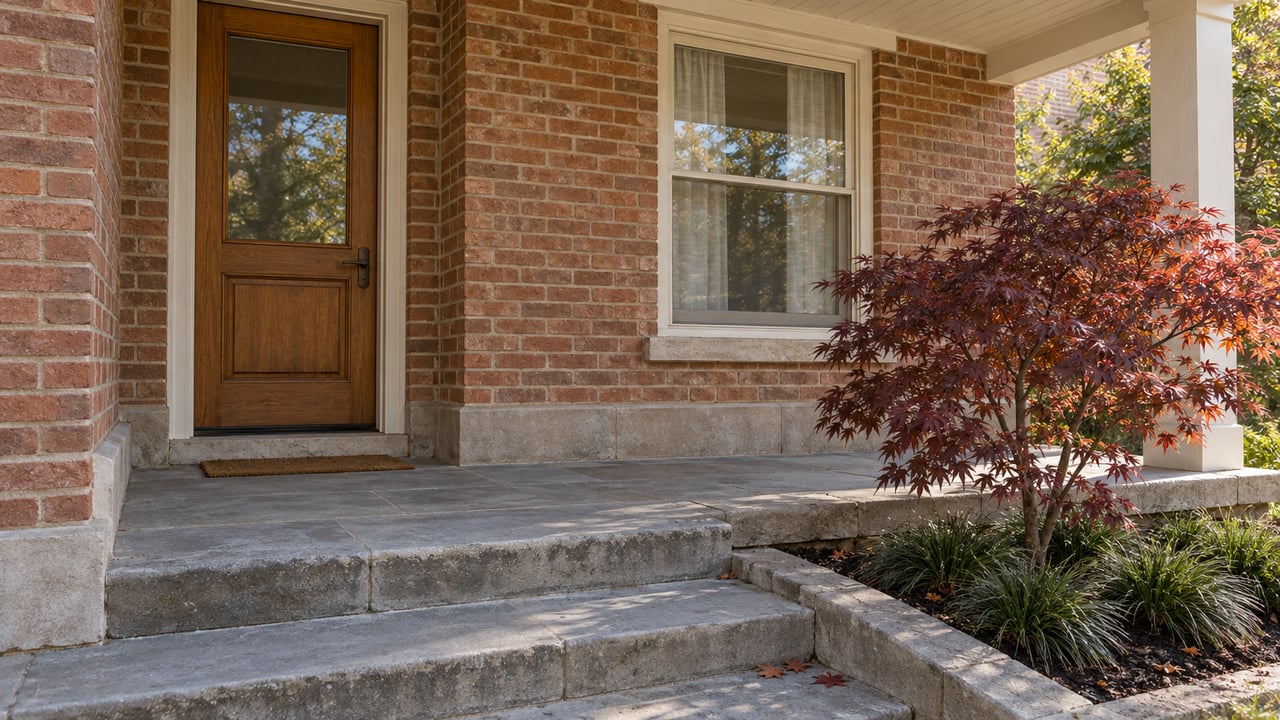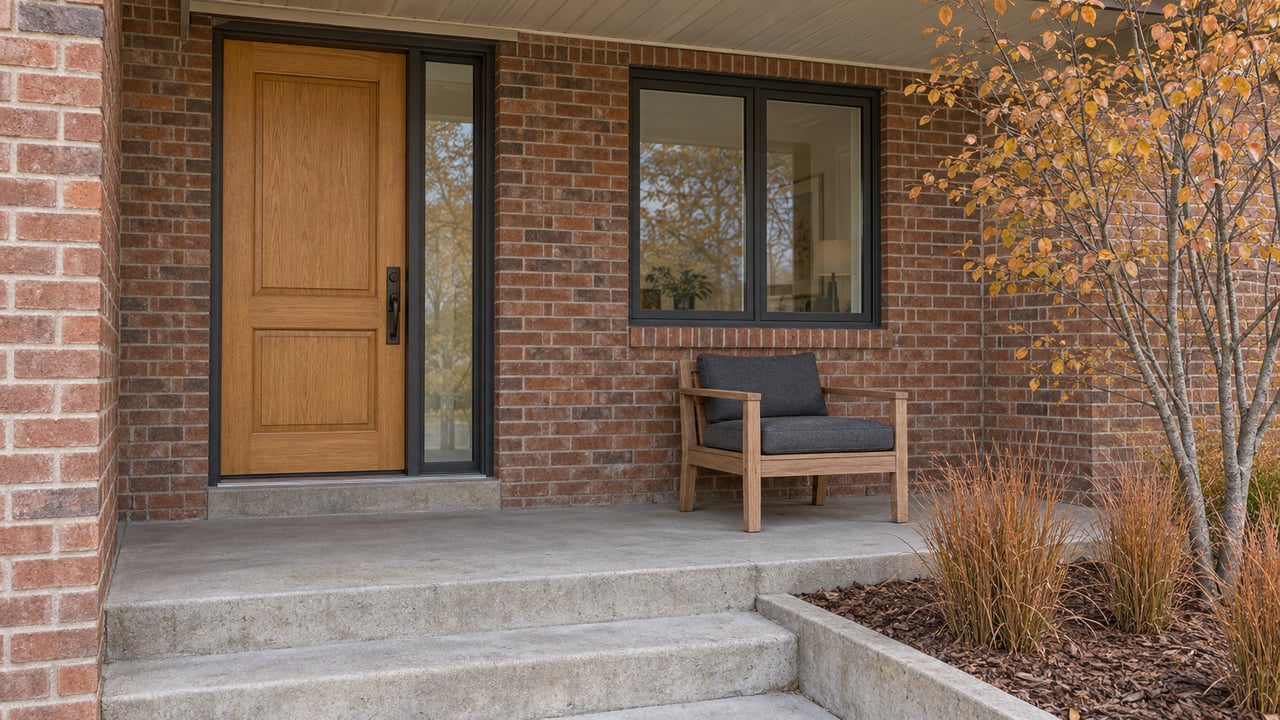
Wondering why one part of Greenwood Village feels tucked away and almost rural, while another feels closely connected to parks, offices, and transit? If you are thinking about buying here, that difference matters more than many people expect. The good news is that Greenwood Village gives you several very distinct residential pockets, each with its own mix of lot sizes, street patterns, green space, and access. Let’s dive in.
Why Greenwood Village Feels So Different
Greenwood Village is a small city in Arapahoe County just south of Denver, but it packs in a surprising range of living environments. The city includes residential enclaves along with major employment areas such as parts of the Denver Tech Center, Greenwood Plaza, and the Village Center.
That mix shapes how different areas feel day to day. Some pockets offer larger lots, quieter streets, and a more open setting, while others place you closer to transit routes, business centers, and more compact housing patterns.
The city’s planning documents organize Greenwood Village into seven main residential planning areas. For homebuyers, that is helpful because it explains why the feel can change quickly from one section to the next.
What Homebuyers Should Compare First
Before you narrow your home search, it helps to compare Greenwood Village areas using a few practical factors. In this market, the biggest differences often come down to land, layout, and access.
Here are the features worth comparing first:
- Lot size and housing density
- Rural versus suburban feel
- Park, trail, and open-space access
- Transit and commute connections
- Street pattern and cut-through traffic exposure
- Location east or west of Holly Street
That last point matters because Greenwood Village states that areas east of Holly Street are served by Cherry Creek School District, while areas west of Holly Street are served by Littleton Public Schools. If schools are part of your decision, you should confirm the property’s exact location relative to Holly Street.
West-Side Areas With More Space
West End Overview
The West End sits on the far west side of Greenwood Village, generally around Belleview Avenue, University Boulevard, Orchard Road, and Clarkson Street. The city describes it as mostly single-family detached housing at about one dwelling unit per acre.
For buyers, this area often stands out for its established feel. Mature vegetation, extensive landscaping, and natural areas near the High Line Canal and Rollin D. Barnard Park give it a green, settled character.
If you want a west-side location with quieter neighborhood streets and a lower-density setting, the West End deserves a close look. It can be a strong fit if your priority is a residential feel rather than a more compact suburban pattern.
Rural Homestead Overview
Rural Homestead is the clearest rural and equestrian pocket in Greenwood Village. It is bounded by Belleview Avenue, Orchard Road, University Boulevard, and Colorado Boulevard, and the city describes it with open grassland, horse pastures, large trees, and mostly gravel roads.
This is one of the lowest-density areas in the city, at about 0.4 dwelling units per acre, or roughly one home per 2.5 acres. That creates a very different experience from other parts of Greenwood Village.
If you are looking for the biggest lots and the strongest rural character, this is the first area to study. The presence of Alexander Lane Equestrian Park, High Line Canal access, and horse-friendly creek crossings adds to that identity.
The Preserve Overview
The Preserve is bounded by Colorado Boulevard, Holly Street, Orchard Road, and Belleview Avenue. It is a master-planned residential neighborhood from the 1990s with mostly single-family homes at about one dwelling unit per acre.
What makes The Preserve different is its natural setting. The area includes wetlands in the Marjorie Perry Nature Preserve and natural areas along the High Line Canal, creating a greener, buffered feel.
For buyers, this can be a good middle ground between rural and suburban. You may get a more structured, planned neighborhood environment while still enjoying strong natural surroundings.
Central And East-Side Areas With Different Tradeoffs
Greenwood Hills Overview
Greenwood Hills is generally bounded by Belleview Avenue, Orchard Road, Holly Street, and Quebec Street. The city describes it as a low-density single-family area with lots generally just under one acre up to 2.5 acres.
The streets here are meandering and paved, and the landscape mixes natural and manicured vegetation. That can create a more private, tucked-in feeling compared with areas that follow a tighter suburban grid.
Greenwood Hills also benefits from several buffers. The city points to nearby wetland open space and transitions from commercial areas, which can help preserve a more residential feel despite nearby activity.
Sundance/Orchard Hills Overview
Sundance/Orchard Hills is east of Yosemite Street, west of Havana Street, north of Peakview Avenue, and generally south of Berry Avenue. The city describes it as mature medium- and low-density residential neighborhoods organized around drainageways and parks.
For many buyers, this area stands out because of connectivity. The city’s plan says trail and pedestrian links are intended to connect this area to the DTC, Greenwood Plaza, the Village Center, local and regional transit, Cherry Creek State Park, and surrounding neighborhoods.
If your daily routine includes commuting or frequent access to office corridors, this may be one of the easiest areas to live in. At the same time, Orchard Hills Park adds a distinct natural character with a pond, trails, courts, a small playground, and even a stable.
Cherry Creek Overview
The Cherry Creek planning area includes the part of Greenwood Village east of Yosemite Street and generally north of Berry Avenue. Major anchors include Cherry Creek High School, Village Greens Park, and Cherry Creek Reservoir.
This area is still primarily single-family, but it tends to feel more suburban in scale than the larger-lot west-side neighborhoods. The city says densities are typically 3 to 5 dwelling units per acre, with larger-lot homes to the south and smaller-lot homes to the north.
For buyers who want strong park and reservoir access with a more standard single-family neighborhood pattern, Cherry Creek is often the key area to compare. Village Greens Park adds another layer of recreation with trails and large community use space.
Cottonwood Grove Overview
Cottonwood Grove is south of Cherry Creek Drive, west of Peoria Street, north of Caley Avenue, and east of Nome Street. It is the city’s clearest higher-density residential pocket, with townhomes and single-family homes at 8 to 12 dwelling units per acre.
This is a smaller area with two related developments, associated open space, and narrower paved roads. The city also describes this pocket as one where some neighborhoods remain gated and where buffers are used between homes and nearby commercial or employment land.
If you want a more compact, lower-maintenance option in Greenwood Village, Cottonwood Grove is the main area to know. It offers a different lifestyle than the city’s acreage-oriented neighborhoods.
How To Match The Right Area To Your Priorities
The best Greenwood Village area for you depends on how you want to live every day. A beautiful home can still feel wrong if the surrounding setting does not match your routine, commute, or preferred amount of space.
Here is a simple way to think about the city’s main residential pockets:
- For the biggest lots and rural character: Rural Homestead
- For large lots with more suburban structure: Greenwood Hills or The Preserve
- For west-side greenbelt access and established streets: West End
- For easier DTC and transit connections: Sundance/Orchard Hills
- For reservoir and park proximity with suburban scale: Cherry Creek
- For more compact, lower-maintenance housing: Cottonwood Grove
This kind of comparison can save you time. Instead of touring every available home, you can focus first on the sections of Greenwood Village that best match your lifestyle.
Why Street Feel Matters In Greenwood Village
In Greenwood Village, two homes that look close on a map can still live very differently. The city’s transportation goals specifically include protecting residential neighborhoods from commercial and transient traffic.
That helps explain why some streets feel especially quiet even when they are near major business districts. As you compare homes, it is smart to look beyond the address and pay attention to street type, trail adjacency, and whether a road feels like a shortcut for outside traffic.
This is one reason local guidance matters. A neighborhood search is not only about square footage and finishes. It is also about understanding how each pocket functions in real life.
A Smarter Way To Tour Greenwood Village
If you are serious about buying in Greenwood Village, it helps to tour by area first and by house second. Start with the setting that best matches your goals, then compare specific homes within that pocket.
You may find that your priorities become clearer as soon as you drive the streets, see the lot sizes, and notice how close each home feels to trails, parks, offices, or major roads. In a city with this much variety, that first step can make your search far more efficient.
If you want a thoughtful, area-by-area approach to buying in Greenwood Village, Gail Wheeler and Kelly Baca offer hands-on guidance grounded in neighborhood knowledge, clear communication, and a polished client experience.
FAQs
Which Greenwood Village area has the largest lots for homebuyers?
- Rural Homestead is the clearest choice for the largest lots, with about one home per 2.5 acres and a strong rural and equestrian character.
Which Greenwood Village area is best for commuting to DTC?
- Sundance/Orchard Hills is the standout for DTC access because the city highlights its trail and pedestrian connections to DTC, Greenwood Plaza, the Village Center, and transit.
Which Greenwood Village area feels most suburban for buyers?
- Cherry Creek often feels more suburban in scale because it has single-family housing at roughly 3 to 5 dwelling units per acre, with park and reservoir access nearby.
Which Greenwood Village area offers lower-maintenance housing options?
- Cottonwood Grove is the city’s main higher-density residential pocket, with townhomes and single-family homes in a more compact setting.
How do school district boundaries work in Greenwood Village?
- Greenwood Village states that homes east of Holly Street are served by Cherry Creek School District and homes west of Holly Street are served by Littleton Public Schools, so you should confirm each property’s exact location.
Why do some Greenwood Village neighborhoods feel quieter than others?
- The city works to protect residential neighborhoods from commercial and transient traffic, so street pattern, cut-through exposure, and nearby trail connections can make a noticeable difference in how an area feels.