Relocating to Denver and wondering where you can find parks, transit, shopping, and a wide range of housing in one community? Central Park stands out because it was designed to bring those pieces together in a more connected, master-planned setting. If you are considering a move here, this guide will help you understand how the neighborhood is laid out, what daily life looks like, and what to keep in mind as you search for the right home. Let’s dive in.
Why Central Park Draws Newcomers
Central Park is a 4,700-acre redevelopment of the former Stapleton airport site, renamed from Stapleton to Central Park in 2020. According to the official community backstory, it was planned as a New Urbanist neighborhood with homes, parks, greenways, offices, shopping, dining, and transit working together rather than being separated.
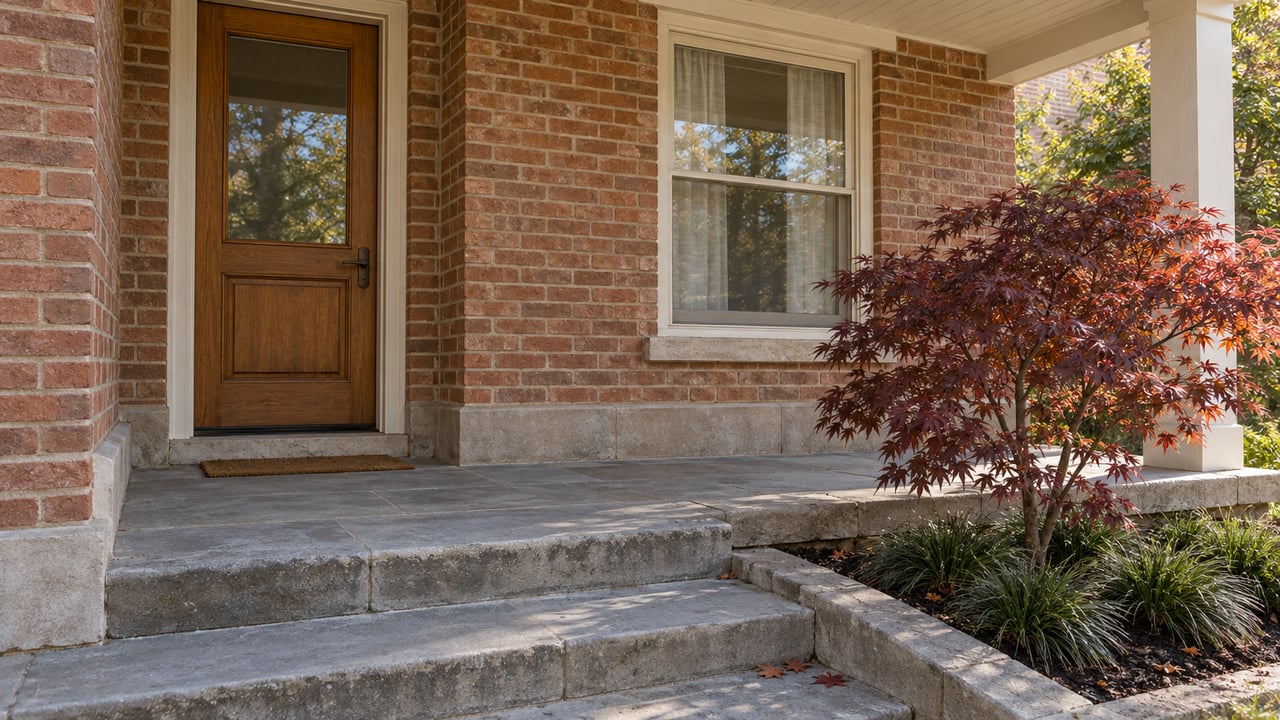
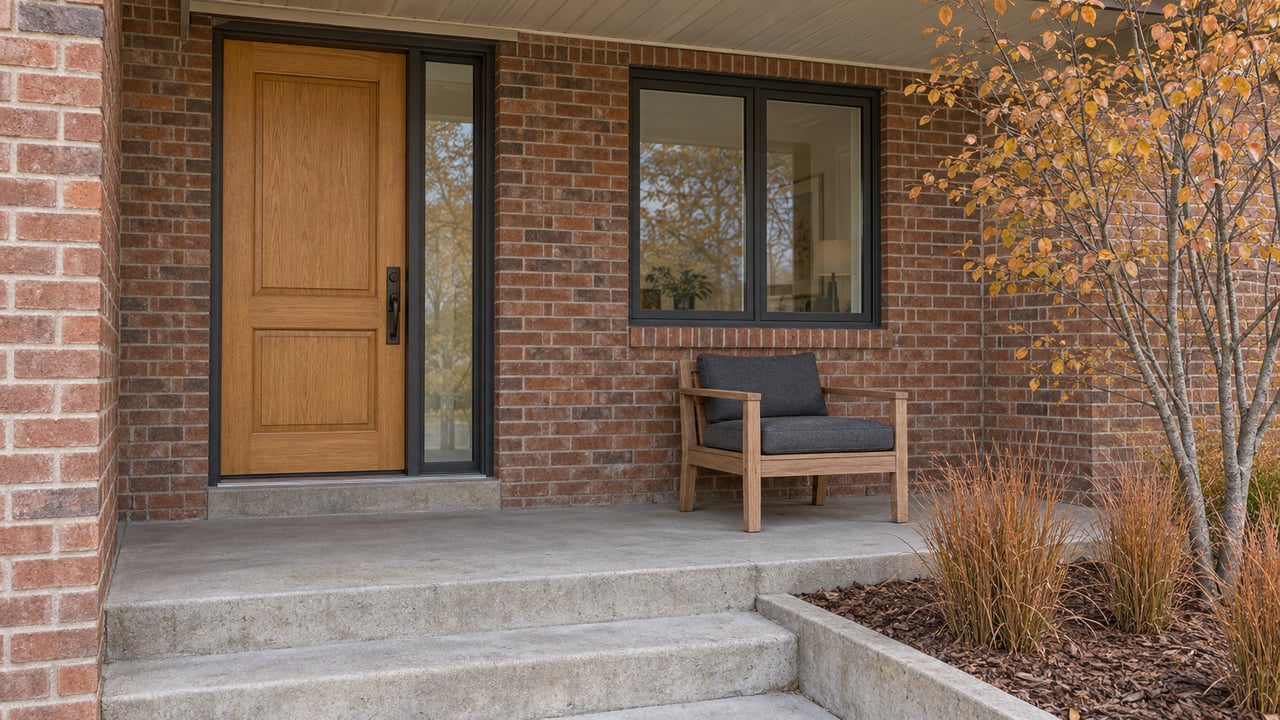
That planning gives the area a different feel from many older Denver neighborhoods. You will notice tree-lined streets, front porches, alley-loaded garages, and a layout shaped around everyday convenience. The arrival of light rail in 2016 also helped establish Central Park as a transit-oriented community.
How Central Park Is Laid Out
Central Park is not one uniform subdivision. The community overview explains that the north side is closer to Rocky Mountain Arsenal National Wildlife Refuge and The Shops at Northfield, while the south side is closer to Westerly Creek and Bluff Lake.
That difference matters when you start narrowing your search. If you want easier access to large retail hubs, the north side may feel more practical. If you are drawn to green space and nature-oriented amenities, the southern areas may better fit your routine.
Another part of the neighborhood’s identity is its organized, master-planned structure. The Master Community Association manages parks, trails, town centers, pools, and seasonal programming, which helps create a more coordinated community experience than you may find in less centrally managed areas.
What Homes You Will Find
If you assume a mature Denver neighborhood only offers resale homes, Central Park is a little different. It is still in its final chapter of development, and the official community site notes that new townhomes in Northfield are available, with future product including condominium homes, townhomes, and cottage-style single-family homes.
That gives newcomers a broader set of choices than in many established neighborhoods. Depending on your timing and goals, you may be comparing newer construction, recently built resale homes, and more established sections of the community.
Affordable housing has also been part of the community plan. The developer states that 10% of for-sale homes and 20% of for-lease homes are priced in the affordable range, though the current income-restricted for-sale homes are sold out and several affordable rental communities remain available in the neighborhood, according to the affordable housing page.
Understanding Current Price Points
As you evaluate your budget, it helps to look at pricing data carefully. Redfin reports a February 2026 median sale price of $679K, while Zillow shows an average home value of $739,306.
These numbers are not the same metric, so they should not be treated as interchangeable. One reflects median sale price and the other reflects average home value. For you as a buyer or seller, the takeaway is that Central Park covers a fairly broad price range, and the right comparison depends on the type of property, location within the neighborhood, and whether you are evaluating closed sales or estimated values.
Parks and Outdoor Life
One of Central Park’s strongest lifestyle advantages is open space. The official neighborhood site says the community includes 60 parks, two dog parks, seven pools, 62 miles of trails, and nearly 25% of its total acreage devoted to parks and nature.
For many buyers, that translates into more than just pretty scenery. It means your day-to-day routine can include walking paths, nearby play space, outdoor exercise, and easier access to fresh air without having to leave the neighborhood.
Bluff Lake Nature Center is a standout resource on the south side. It is a 123-acre urban wildlife refuge and outdoor classroom, and the center notes that more than 230 bird species have been identified there.
Shopping, Dining, and Daily Errands
Central Park offers several retail areas rather than one single commercial strip. That makes it easier to match your housing search to the type of daily convenience you want.
The community site describes East 29th Avenue Town Center as the original town center, with coffee, ice cream, hot yoga, flowers, wine, pizza, and Village Green events. Eastbridge Town Center adds boutique restaurants, shops, salon services, and fitness studios.
Just outside the neighborhood, Stanley Marketplace brings another layer of convenience and character with 50-plus locally owned businesses in a repurposed aviation building. For larger-scale retail, The Shops at Northfield remains a major draw, and its 2026 vision includes Wayfair, Life Time, a specialty grocer, and a more pedestrian-focused main street.
If walkability and errands matter most to you, homes near Eastbridge, East 29th Avenue, or Northfield-adjacent pockets may deserve extra attention.
Commuting From Central Park
For many newcomers, commute planning shapes the home search as much as the house itself. Central Park has a practical advantage here because of its rail access and regional location.
RTD’s Central Park Station at 8200 Smith Rd. serves nine bus routes and the A Line. RTD also states that the A Line is a 23-mile electric commuter rail line with eight stations, and that the trip from Union Station to Denver International Airport takes about 37 minutes.
There is also the nearby 40th/Colorado station on the neighborhood’s edge. And according to the Central Park location page, the neighborhood is roughly 20 minutes from downtown Denver and DIA, 15 minutes from Cherry Creek, and 30 minutes from Boulder, traffic permitting.
If you want a car-light lifestyle, you may want to focus your search near Central Park Station or along bus and rail corridors. If your priority is being close to shops, dining, and neighborhood services, a town-center-adjacent location may be a better fit.
Schools and Family Logistics
If schools are part of your relocation planning, Central Park offers a range of options. The community site says the neighborhood is home to 23 schools, including public, charter, and private choices.
For practical planning, it is important to understand how enrollment works. Denver Public Schools uses SchoolChoice, and Swigert International School’s FAQ notes that Central Park Enrollment Zone families must complete SchoolChoice for ECE, kindergarten, middle school, and high school.
Community materials for the area have included Inspire Elementary, Isabella Bird Community School, Swigert International School, Westerly Creek, William (Bill) Roberts, and Willow Elementary. Since boundaries and priorities can change, newcomers should verify current assignments through SchoolChoice and the School Finder before making housing decisions.
Another useful resource for daily routines is the Central Park Recreation Center. Denver notes that the facility includes an indoor pool with a lazy river, splash area, 25-yard lap pool, slide, gymnasium, cardio room, weight room, and event space.
Community Events and Neighborhood Feel
Some neighborhoods have amenities on paper. Central Park also has regular programming that helps those amenities feel active and used.
The Master Community Association says it operates and maintains pools, parks, trails, town centers, and other shared facilities. It also programs farmers markets, outdoor movie series, theater series, concerts, art festivals, and seasonal celebrations.
For a newcomer, that can make settling in easier. You are not just moving into a house. You are moving into a neighborhood where events and shared spaces can help you learn the area and build routines more quickly.
Tips for Your Central Park Home Search
If you are relocating from outside Denver, it helps to narrow your search around how you actually live day to day. Central Park is large enough that location within the neighborhood can make a real difference.
Here are a few smart ways to frame your search:
- Prioritize commute first if you expect to use rail, bus service, or frequent airport access.
- Focus on retail nodes if walkability to coffee, dining, fitness, and errands matters most.
- Compare new and resale homes because Central Park still offers both in certain areas.
- Verify school enrollment details directly if that is part of your decision-making.
- Look beyond list price and compare closed sale data, home type, and micro-location within the neighborhood.
Because Central Park has multiple sub-neighborhoods and housing formats, a guided strategy can save you time and help you avoid falling for a home that does not match your daily needs.
Final Thoughts on Relocating to Central Park
Central Park appeals to many Denver newcomers because it combines thoughtful planning with practical convenience. You get a neighborhood with extensive parks and trails, multiple retail hubs, transit connections, active community programming, and a mix of housing choices that is harder to find in one place elsewhere in the city.
If you are thinking about a move and want help narrowing down the right pocket of Central Park for your lifestyle, Gail Wheeler and Kelly Baca offer the kind of principal-led, hands-on guidance that can make your relocation feel far more clear and manageable.
FAQs
What is Central Park in Denver known for?
- Central Park is known for being a large master-planned redevelopment with 12 sub-neighborhoods, extensive parks and trails, multiple retail districts, and A Line transit access.
What types of homes are available in Central Park Denver?
- Central Park includes a mix of resale and newer homes, with product types that include condominium homes, townhomes, and cottage-style single-family homes.
How far is Central Park Denver from downtown and DIA?
- According to the community site, Central Park is roughly 20 minutes from downtown Denver and Denver International Airport, traffic permitting.
How does school enrollment work in Central Park Denver?
- Denver Public Schools uses SchoolChoice, and families in the Central Park Enrollment Zone should verify current assignments and priorities because boundaries and enrollment rules can change.
Is Central Park Denver good for commuting?
- Central Park can be convenient for commuting because RTD’s Central Park Station serves nine bus routes and the A Line, which connects Union Station and DIA.
What amenities does Central Park Denver offer newcomers?
- Newcomers will find parks, dog parks, pools, trails, town centers, shopping, dining, community events, and the Central Park Recreation Center with indoor fitness and aquatic features.