Wondering where you can find central Denver convenience without giving up quiet streets and classic neighborhood charm? Congress Park and the nearby 7th Avenue Historic District offer a lifestyle that feels both connected and settled. If you are thinking about moving here, this guide will help you understand the area’s character, housing, parks, and daily rhythm so you can decide if it fits the way you want to live. Let’s dive in.
Why Congress Park Feels Different
Congress Park is often described as a traditional city neighborhood with a small-town atmosphere. Neighborhood history materials point to a stable residential setting shaped by city living, nearby parks, neighborhood shopping, and tree-lined streets. In Denver’s broader East Central area, it sits among parks, restaurants, shops, and historic landmarks that give this part of the city a strong sense of place.
What stands out most is the contrast between the busy edges and the calmer interior blocks. The neighborhood survey area is bounded by East Colfax Avenue, York Street, East 6th Avenue, and Colorado Boulevard. Within those boundaries, the interior streets are where the historic look and feel really comes through, with mature trees, broad tree lawns, and older homes that create a more settled residential setting.
For many buyers, that balance is the appeal. You get a central location with access to everyday amenities, but the neighborhood still feels grounded and residential once you step off the main corridors.
Parks Shape Daily Life Here
In Congress Park, access to green space is part of your routine, not just a weekend bonus. Denver Parks and Recreation operates an outdoor pool at Congress Park, and the park also has lighted tennis courts. That means recreation can be as simple as a quick swim, a casual match, or time outside close to home.
The neighborhood also benefits from being near larger destination spaces. The East Central Area Plan highlights nearby anchors like Cheesman Park and the Denver Botanic Gardens. Together, these places add variety to daily life while keeping you in a central-city location.
If you value neighborhoods where outdoor time is easy to work into your day, this is one of Congress Park’s strongest advantages. The park network here supports a lifestyle that feels active, accessible, and connected to the city.
Getting Around Congress Park
One reason Congress Park appeals to so many buyers is that it supports more than one way of moving through the city. East Colfax Avenue forms the neighborhood’s busier edge and remains one of Denver’s major east-west corridors. The city describes Colfax as one of the area’s most historic streets and the backbone of a thriving and diverse community.
That corridor is also changing. East Colfax Bus Rapid Transit is under construction from Broadway to Yosemite, with dedicated transit lanes, new or enhanced stations, and improved pedestrian and bike connections. According to the city, the project is designed to improve reliability, safety, and access to jobs and services along the corridor.
On the quieter side of the neighborhood, 7th Avenue offers a different kind of mobility. Denver’s 7th Avenue Neighborhood Bikeway was designed as a low-volume, low-speed route with traffic calming and crossing improvements. The city describes it as a connection between Cherry Creek Trail and Cheesman Park, making it a practical route for biking and walking.
Taken together, these features support a daily routine that does not have to be car-centered. Whether you are heading out for errands, commuting across town, or just enjoying the neighborhood, Congress Park offers several ways to get where you need to go.
Coffee, Errands, and Everyday Routine
A neighborhood’s appeal often comes down to the little things you do every day. In Congress Park, nearby coffee and casual errand stops help shape a routine that feels easy and local. Official business pages list Novo Coffee at 1200 Clayton Street and HUCK Cafés at 801 Colorado Boulevard, giving residents convenient options for a quick morning stop or a simple meet-up.
These kinds of amenities matter because they reinforce the neighborhood’s walkable feel. You are not relying only on destination shopping or long drives for daily needs. Instead, the pattern of life here is built around nearby conveniences, residential streets, and easy access to surrounding central Denver destinations.
For buyers relocating from other parts of metro Denver or from out of state, that can be a meaningful quality-of-life upgrade. Congress Park tends to feel like a place where daily life unfolds at a comfortable pace.
Housing Style in Congress Park
The housing stock is one of the neighborhood’s biggest draws. Discover Denver’s survey recorded 2,409 parcels in Congress Park and found that the blocks are lined primarily with single-unit homes. Small commercial hubs appear along East 12th Avenue, while heavier commercial activity is concentrated along Colfax and Colorado Boulevard.
The age of the housing is also a defining feature. Nearly 80 percent of Congress Park buildings were constructed between 1900 and 1929, and 83 percent of those were single-unit homes. The survey notes rows of bungalows and foursquares, along with buildings from the Victorian, early Modern, and mid-twentieth century periods.
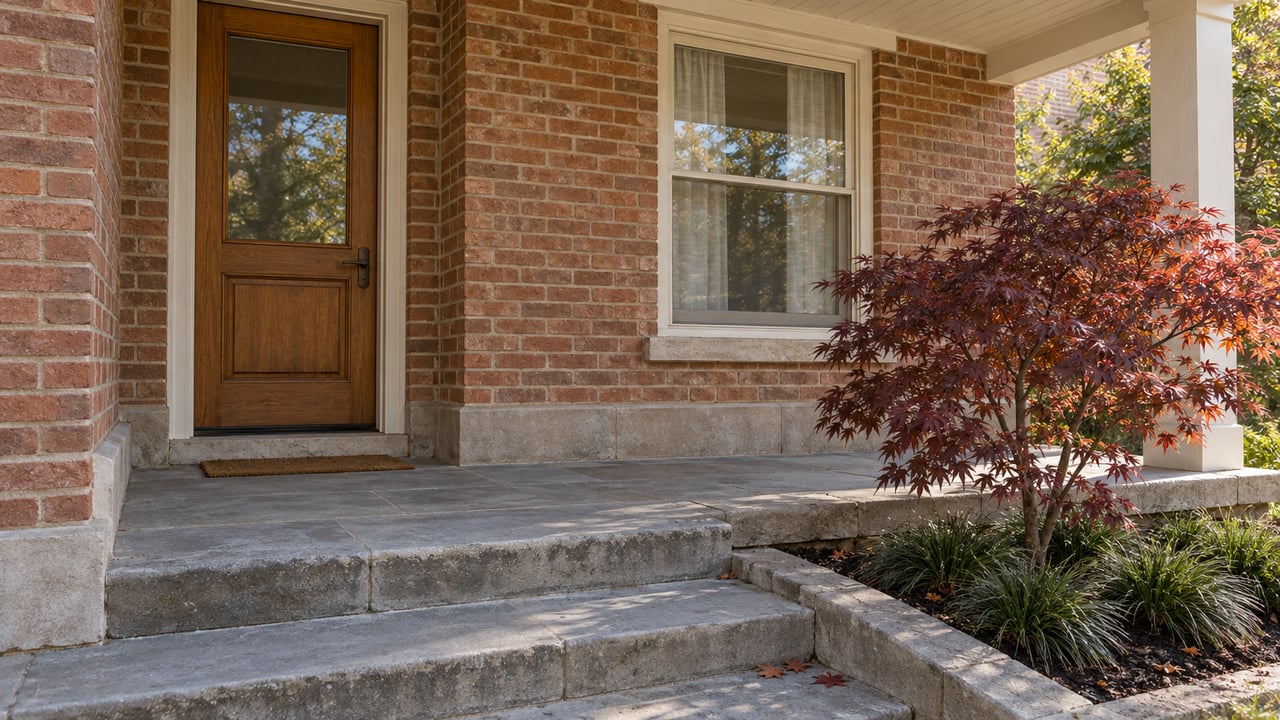
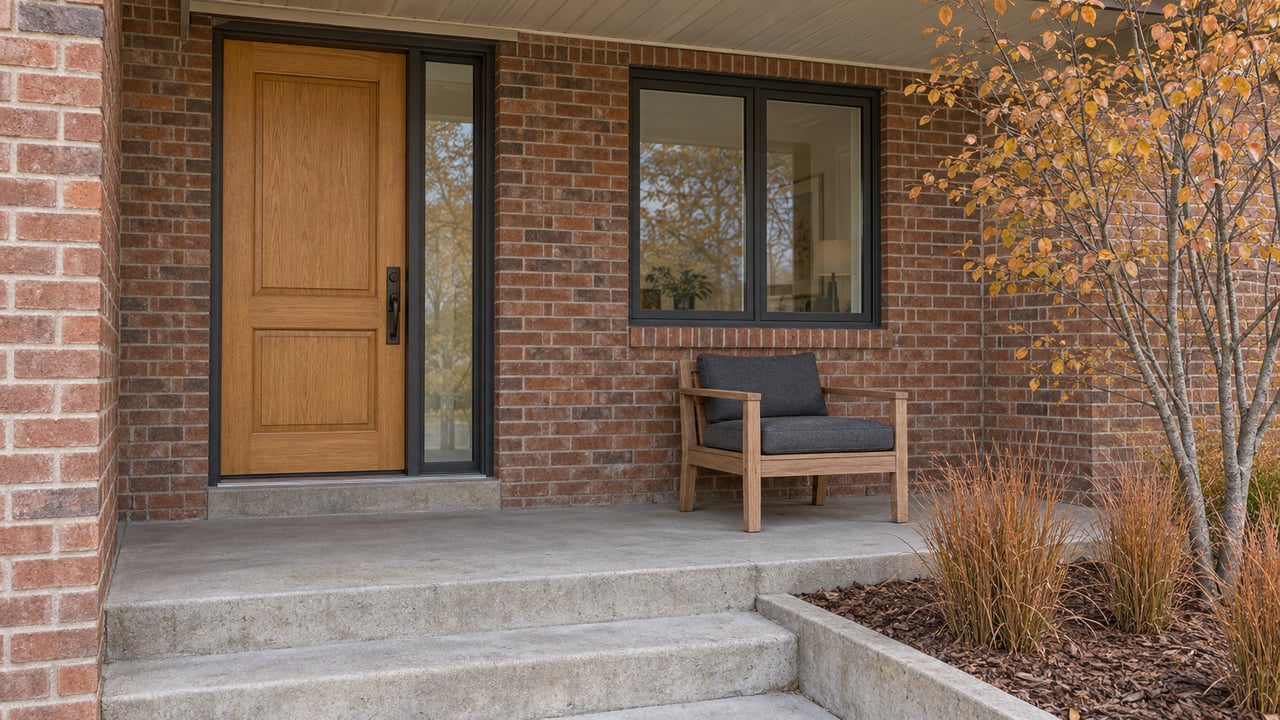
That mix gives the neighborhood visual variety without losing cohesion. You will see older brick homes, front porches, and traditional lot patterns that help the area feel established and architecturally layered.
Lot Sizes and Historic Details
For a central Denver neighborhood, lot patterns in Congress Park offer useful context for buyers. A 2025 neighborhood conservation-overlay proposal says average lot sizes range from about 3,200 to 6,250 square feet, with some double lots reaching as large as 10,000 square feet. That range helps explain why the streetscape can feel more open and comfortable than some other close-in neighborhoods.
The same source describes Congress Park as one of the country’s largest intact neighborhoods of historic Victorians, Denver Squares, and Bungalows. Front porches and brick construction are recurring character features, and they play a big role in the neighborhood’s visual identity.
Denver also notes that historic carriage homes still exist in older neighborhoods, including Congress Park. That detail adds another layer to the area’s housing story and helps explain why alleys and accessory structures remain part of the neighborhood’s built environment.
What Defines 7th Avenue Historic District
The 7th Avenue Historic District adds another layer of character to this part of Denver. Denver’s historic district list identifies East Seventh Avenue as a locally designated historic district dating to 1993, with a period of significance through 1943. The city also separately lists the East Seventh Avenue Historic District, Steele Street Extension, designated in 2021.
National Park Service documentation for the Doud House describes the district as having stylish homes, upscale apartment buildings, and 7th Avenue Parkway. It also notes that the district contains more than 900 structures built between 1890 and 1930.
For buyers, the key takeaway is simple. This area combines central-city access with a lower-scale, historically layered streetscape that feels older, quieter, and more residential than many other close-in Denver locations.
Who Might Love Living Here
Congress Park and the 7th Avenue Historic District can be a strong fit if you want classic Denver architecture, mature streetscapes, and nearby parks. They also appeal to buyers who want a central address without the feel of a dense, high-intensity urban core. The neighborhood’s built form supports that middle ground well.
You may especially appreciate this area if your ideal routine includes walking to coffee, spending time in nearby parks, and living among homes with visible history and character. If that sounds like your pace, Congress Park is worth a close look.
Final Thoughts on Congress Park Living
Living in Congress Park means getting more than a convenient Denver address. You are choosing a neighborhood shaped by historic homes, practical daily amenities, nearby recreation, and streets that still feel residential and calm. That combination is hard to replicate, especially in such a central location.
If you are considering a move to Congress Park or the 7th Avenue Historic District, having local guidance can make it easier to understand which blocks, home styles, and property features best match your goals. When you are ready to explore the neighborhood, connect with Gail Wheeler and Kelly Baca for thoughtful, hands-on guidance tailored to your next move.
FAQs
What is it like living in Congress Park in Denver?
- Congress Park offers a central Denver location with a more settled residential feel, shaped by tree-lined interior streets, historic homes, nearby parks, and convenient access to shops, coffee, and major east-west routes.
What types of homes are common in Congress Park?
- The neighborhood is known for primarily single-unit homes, with many buildings constructed between 1900 and 1929, including bungalows, foursquares, Victorians, Denver Squares, and some early Modern and mid-century structures.
What makes the 7th Avenue Historic District special?
- The 7th Avenue Historic District stands out for its preserved historic character, 7th Avenue Parkway, and large collection of homes and apartment buildings built mainly between 1890 and 1930.
Are parks and recreation easy to access in Congress Park?
- Yes. Congress Park includes an outdoor pool and lighted tennis courts, and the neighborhood is also close to larger destinations like Cheesman Park and the Denver Botanic Gardens.
How do you get around Congress Park and 7th Avenue?
- Residents have access to major routes along Colfax and Colorado Boulevard, a low-speed bikeway along 7th Avenue, and planned transit improvements on East Colfax designed to improve reliability, safety, and access along the corridor.